

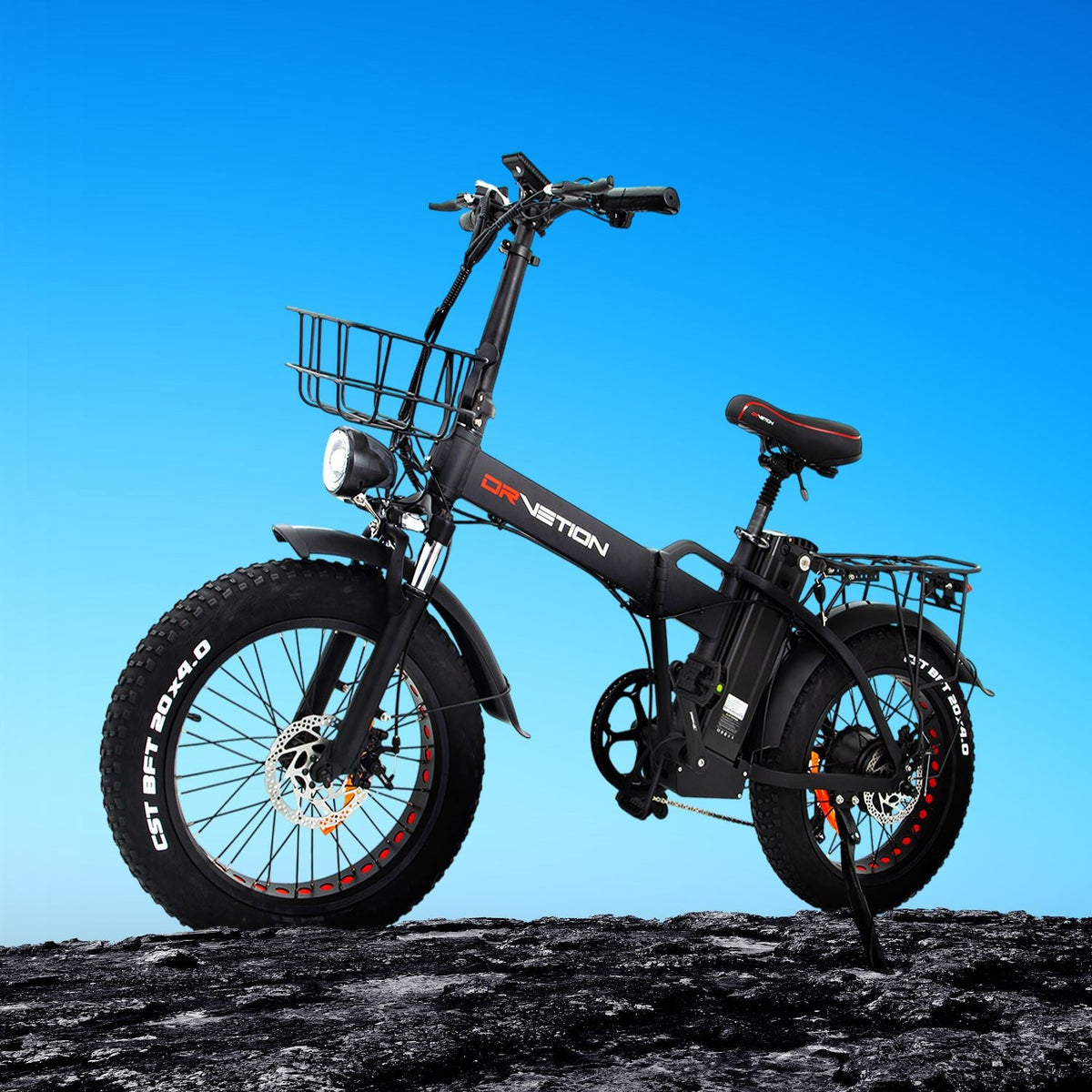
The battery is the single most valuable component on your Drvetion e-bike—and the one most affected by how you treat it day to day. Two riders on identical bikes can see very different battery lifespans purely because of their charging and storage habits. The good news is that good battery care is simple, free, and takes almost no extra time. This guide covers the habits that keep your Drvetion battery healthy for years.
Know What You're Caring For
Every Drvetion e-bike battery is built around Samsung 21700 50E lithium-ion cells, arranged into a 48V pack. Depending on your model, that pack is either a 15Ah (720Wh) or a 20Ah (960Wh) configuration. Lithium-ion chemistry is mature and reliable, but it has clear preferences: it likes moderate temperatures, partial rather than extreme charge states during storage, and a charger designed for it. Everything below follows from those three preferences.
Charging Habits That Extend Battery Life
Charge at Room Temperature
Your battery's safe charging window is 32°F to 113°F (0°C to 45°C), but the range where it charges happiest—and ages slowest—is ordinary room temperature, roughly 59–77°F (15–25°C).
- Charge indoors at room temperature whenever possible
- If the bike or battery has been sitting in a cold garage or a hot car, let it settle to room temperature for an hour or two before plugging in
- Never charge a battery that is below freezing—charging a frozen lithium-ion pack can cause permanent damage and void your warranty
- Keep the charging area dry, ventilated, and away from direct sunlight and heat sources
Use Only the Original Charger
Charge with the original Drvetion 48V 2A smart charger (100–240V input). A smart charger manages the charge curve and stops cleanly when the pack is full; a mismatched or generic charger cannot be trusted to do the same, and wrong voltage or current is one of the fastest ways to damage a pack.
- Plug the charger into the wall first, then into the battery
- A full charge takes about 4–7 hours, until the charger indicator turns green
- Unplug once it's green—do not leave the charger connected for more than 24 hours
- Inspect the charger cable and connector occasionally for damage or fraying
You Don't Need to Hit 100% Every Time
For daily use, a partial charge is perfectly fine and is gentler on the cells than always pushing to full. If you're riding the same short commute every day, topping up to around 80–90% is a healthy routine. Charge to 100% when you know you'll need the full range—a long ride, a trip, or a day away from a plug.
The one state to avoid is the opposite extreme: try not to regularly run the battery all the way down to empty and leave it there. Deep discharge followed by long storage stresses lithium-ion cells more than any other common habit.
Storage: Where Batteries Actually Age
Most battery wear happens not during rides but during storage. If your e-bike will sit for weeks or months, how you store the battery matters more than anything else you do.
Storage Charge Level
Store at 50–70% charge. Don't store a battery fully charged or completely empty—a mid-range charge puts the least stress on the cells. If you're putting the bike away, ride or charge it into that window first.
- Check the charge level about once a month during long storage
- Top it back up if it drifts below 50%
Storage Temperature and Location
Ideal storage temperature: 59–77°F (15–25°C). Keep the battery in a cool, dry place indoors—away from unheated garages, sheds, and vehicles where temperatures can fall below freezing or climb above 140°F (60°C). Both extremes accelerate capacity loss.
- For long storage, remove the battery from the bike and keep it separately at 50–70% charge
- Keep it away from chemicals, solvents, and anything that could puncture or crush it
- Keep it out of direct sunlight
What Your Range Numbers Actually Mean
Range is the question every owner asks, and it's the number most affected by conditions. Your Drvetion e-bike's rated ranges are:
Pure Electric Mode:
- 15Ah battery: 25–35 km (15–22 miles)
- 20Ah battery: 60–80 km (37–50 miles)
Pedal Assist Mode:
- 15Ah battery: 60–90 km (37–56 miles)
- 20Ah battery: 80–120 km (50–75 miles)
These are ratings under favorable conditions. Real-world range moves up and down with a handful of predictable factors, none of which mean your battery is failing:
- Assist level: higher assist draws more power; pedaling more and using lower assist stretches range
- Temperature: in cold weather below 50°F (10°C), expect roughly a 20–30% range reduction—this is normal chemistry and recovers when it warms up
- Weight and terrain: rider weight, cargo, hills, and headwinds all increase draw
- Tire pressure: under-inflated tires add rolling resistance; keep them at the pressure recommended on the sidewall for your weight and conditions
- Stop-and-go: frequent acceleration from a standstill uses more energy than steady cruising
A useful daily habit: keep the battery above roughly 30% so you're never caught short on the way home.
Everyday Do's and Don'ts
Do:
- Charge at room temperature with the original charger
- Store at 50–70% if the bike will sit for a while
- Keep the battery and its contacts clean and dry
- Wipe down the charging port area and check connections during your regular cleaning
- Remove the battery for long-term indoor storage
Don't:
- Charge a frozen or soaking-wet battery
- Leave the charger connected for more than 24 hours
- Store the battery fully charged or fully empty for long periods
- Leave the battery in a hot car or in direct sun
- Use a non-Drvetion charger or attempt to open or modify the pack
- Submerge the battery or spray it with high-pressure water
Warning Signs to Take Seriously
Stop using the battery and contact support if you notice any of the following:
- The case looks swollen, bulged, or deformed
- The battery becomes unusually hot during charging or riding
- A strange smell, smoke, or any sign of leakage
- Sudden, large drops in reported charge or range that don't match your riding
- Physical damage to the case, connector, or cable
These are rare, but they're not things to ride through. Power the bike down, stop charging, and get in touch with support rather than troubleshooting a damaged pack yourself.
Quick Battery Care Checklist
- Charging indoors at room temperature (59–77°F / 15–25°C)
- Using the original Drvetion 48V 2A smart charger
- Unplugged once the indicator turns green (4–7 hours)
- Not left connected beyond 24 hours
- Stored at 50–70% charge if sitting for weeks or more
- Stored cool, dry, and out of the sun
- Charge checked monthly during long storage
- Tires at recommended pressure to avoid wasting range
- Battery case, contacts, and cable free of damage and moisture
Need Help?
If you have questions about your Drvetion battery, charging, or storage—or you think something isn't behaving the way it should—contact our support team:
- Email: sale@drvetion.com
When contacting support, include your order number, your e-bike model (CT20, CT20 PRO, AT20 PRO, etc.), and a description of what you're seeing. Photos or a short video help us diagnose the issue faster.
Final Thoughts
Battery care isn't about being precious with your e-bike—it's about a handful of consistent habits: charge at room temperature with the right charger, store at a partial charge in a cool dry place, and don't let the pack sit empty or frozen. Do those and your Drvetion battery will deliver reliable range for years.
The battery is an investment inside an investment. A few minutes of attention each month pays for itself in retained range, longer pack life, and fewer surprises. Ride often, charge smart, and your e-bike will be ready every time you are.
Have questions about battery care or your specific model? Visit our Product Guide for detailed specifications, or email us at sale@drvetion.com for personalized assistance.


Share:
Winter Is Coming: How to Prepare Your Drvetion E-Bike for Cold Weather
Is Riding an E-Bike Good Exercise? A Beginner's Guide to Health Benefits